Before You Bet, Read This College Football Breakdown
College football betting has evolved into a sophisticated discipline that demands more than surface-level analysis. The 2026 season features over 130 FBS programs competing across conferences like the...
Before You Bet, Read This College Football Breakdown
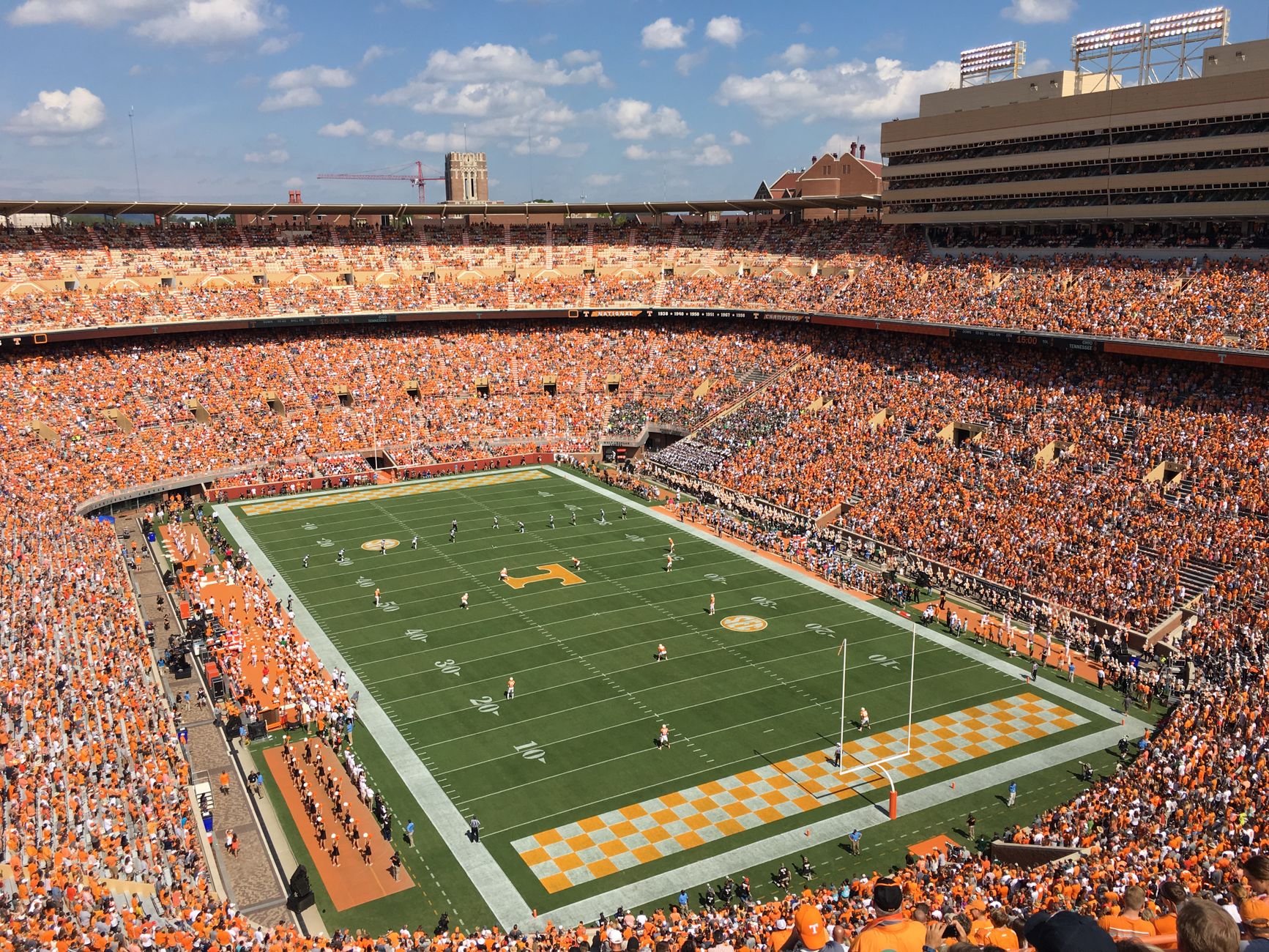
College football betting has evolved into a sophisticated discipline that demands more than surface-level analysis. The 2026 season features over 130 FBS programs competing across conferences like the SEC, Big Ten, ACC, and Big 12, offering diverse wagering opportunities throughout a 15-week regular season. Professional bettors focus on metrics such as yards per carry, turnover margins, and coaching stability to identify mispriced lines. According to Wikipedia, college football traces its origins to American gridiron football and has grown into a multi-billion dollar industry with national championship implications. Indiana captured its first-ever CFP National Championship in January 2026, defeating Oregon in the Peach Bowl semifinals before claiming the title at Allegiant Stadium in Las Vegas. Understanding conference dynamics, injury reports, and public betting sentiment provides the foundation for developing sustainable betting strategies on this unpredictable sport.
Photo by Steve DiMatteo on Pexels
Is College Football Really Predictable With the Right Data?
The notion that college football outcomes can be reliably predicted through statistical analysis alone oversimplifies the sport's inherent volatility. Unlike professional leagues where roster continuity averages 60-70% season-over-season, FBS programs experience significant roster turnover annually due to transfers, graduation, and NFL draft declarations. The 2026 season demonstrates this unpredictability: Indiana, a program with limited recent championship history, captured the national title by leveraging a favorable schedule draw and strong quarterback play from Dante Moore. Teams like TCU and USC, mentioned in early ESPN schedule projections, have struggled to maintain consistency against conference opponents. However, data-driven approaches do offer measurable advantages when properly applied. Successful betting models incorporate historical performance against conference rivals, situational factors such as Thursday night games, and the impact of roster changes including quarterback competitions and transfer portal acquisitions.
How Does College Football Handle Conference Realignment in 2026?
Conference realignment has fundamentally altered the college football landscape, creating both challenges and opportunities for bettors. The Pac-12 has experienced significant restructuring, losing several traditional programs to other conferences and fundamentally changing the competitive dynamics of western football. Major conferences including the SEC, Big Ten, Big 12, and ACC now feature expanded membership rosters, increasing intra-conference competition and complicating strength-of-schedule calculations. The College Football Playoff expanded to include 12 teams in 2024, providing additional auto-bid opportunities for conference champions and creating more meaningful regular-season games. According to NCAA official records, conference championships remain critical evaluation points, as they directly influence playoff seeding and bowl game assignments. Bettors must account for how new conference matchups affect travel fatigue, rivalry game cancellations, and the emergence of previously regional programs on the national stage.

Photo by Franco Monsalvo on Pexels
What About the Impact of NIL and Transfer Portal on Betting Lines?
The introduction of Name, Image, and Likeness (NIL) deals and the expansion of the transfer portal have introduced unprecedented variables into college football analysis. Programs can now attract top talent through financial incentives previously reserved for professional sports, disrupting traditional recruiting hierarchies. A three-star prospect might outperform five-star signees at a program offering better NIL opportunities, while established players transfer mid-career seeking improved situations. These dynamics create line inefficiencies that sharp bettors can exploit. Coaching staff continuity has become a crucial metric; programs losing coordinators to other schools often experience schematic disruptions that manifest in statistical declines. The 2026 season has seen increased player movement, with programs like Notre Dame securing key transfers to reinforce their roster depth. Effective analysis now requires monitoring transfer portal commitments, evaluating coaching staff stability, and understanding how NIL collectives influence program competitiveness within each conference.

Photo by Kampus Production on Pexels
Where Does College Football Betting Fail Most Bettors?
The primary failure point for college football bettors involves overvaluing historical reputation and undervaluing current performance trends. Public perception heavily influences opening and early lines, creating value opportunities on programs that have earned recent respect despite declining fundamentals. The 2026 season illustrates this principle: Indiana's championship run has increased public backing of Big Ten contenders, potentially inflating their point spreads against improving opponents. Emotional betting represents another common pitfall, particularly regarding rivalry games and tradition-rich matchups that attract recreational action. Situational betting angles like letdown games following emotional victories or lookahead lines before bowl announcements require disciplined bankroll management to avoid. Successful bettors maintain detailed records, track closing line value, and accept that variance plays a larger role in college football than in professional sports due to sample size limitations and roster volatility.

Photo by www.kaboompics.com on Pexels
Should You Try College Football Betting Today?
The 2026 college football season presents legitimate opportunities for disciplined bettors willing to invest in research and analysis. Conference expansion, playoff format changes, and roster volatility have created market inefficiencies that patient analysts can exploit. Key strategies include focusing on specific conferences to develop expertise, identifying programs with improving coaching situations, and fading public consensus when betting percentages become disproportionately high. The regular season spans 15 weeks with games scheduled from late August through early December, followed by bowl season and the College Football Playoff culminating in January 2027. Bankroll management remains essential, with responsible practitioners allocating fixed percentages per wager and maintaining detailed records to evaluate performance objectively. [Internal Link: advanced tips and techniques]
Frequently Asked Questions
Q: What is college football spread betting and how does it work?
A: College football spread betting involves wagering on whether a team will cover a point margin set by oddsmakers. If TCU is listed as -6.5 against North Carolina, TCU must win by 7 or more points for spread bets to pay out. The spread accounts for perceived team differences and creates roughly 50-50 action on each side.
Q: How do I analyze college football teams for betting purposes?
A: Effective analysis combines multiple data points: yards per play differentials, turnover margins, third-down conversion rates, and red zone efficiency. Beyond statistics, evaluate coaching stability, quarterback performance, injury reports, and historical performance in similar game situations. Focus on finding discrepancies between your analysis and the posted line.
Q: What is the College Football Playoff (CFP) and how does it affect betting?
A: The College Football Playoff determines the national champion among 12 selected FBS teams through quarterfinal, semifinal, and championship games. The 2026 CFP concluded with Indiana winning the championship at Allegiant Stadium on January 25, 2027. Playoff games offer distinct betting opportunities due to their high-profile nature and increased public engagement.
Q: What are the main college football conferences to consider?
A: The Power Five conferences include the SEC, Big Ten, ACC, Big 12, and Pac-12, with additional Group of Five conferences like the American Athletic, Mountain West, and Sun Belt. Each conference has distinct playing styles and competitive levels, with SEC and Big Ten games typically featuring the highest-quality competition and most efficient betting markets.
Q: Why do college football betting lines move significantly before games?
A: Line movement occurs due to several factors: significant public betting action on one side, late injury announcements affecting quarterback or key player availability, weather forecast changes, and sharp professional money influencing oddsmakers. Monitoring line movements from opening through kickoff helps identify where informed money is concentrated.
Q: What bankroll management strategies work best for college football betting?
A: Successful bankroll management involves wagering a fixed percentage of your total bankroll per play, typically 1-5% depending on confidence level and edge identified. Maintain detailed records of all wagers, track closing line value to measure predictive accuracy, and avoid chasing losses or increasing bet sizes after winning streaks.
Q: How does the college football regular season schedule affect betting opportunities?
A: The college football season runs approximately 15 weeks from late August through early December, followed by bowl season and playoffs. Early-season non-conference games often feature mismatches with inflated point spreads, while conference play intensifies from October through November. Rivalry week and conference championship games provide high-stakes betting opportunities with motivated teams.
Thank you for reading.
Goal Moments · Editorial Vault